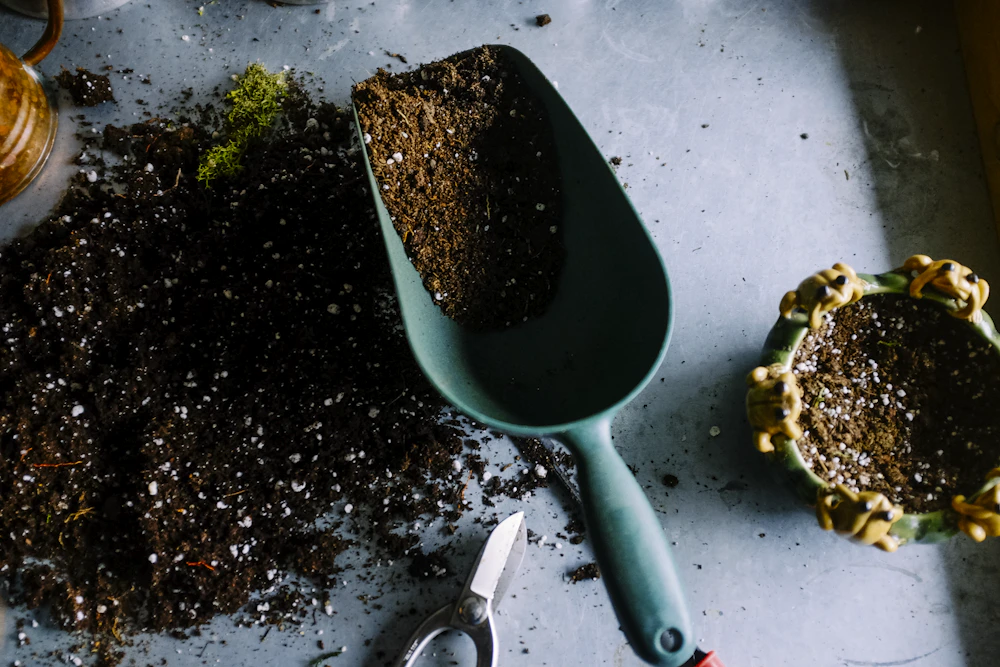
Edit fading plants, refresh the mix, and select a container combination suited to the coming weather. The most useful plan is one that suits your local conditions and can adjust as you learn what works.
Edit before you replant
Remove dead or diseased plant material and trim back healthy growth as appropriate for the species. Some seedheads and stems can provide winter structure or habitat, so decide what to leave.
Check the container’s drainage holes and remove compacted roots. If the plant was healthy, some mix may be reused, but refresh it with clean material and avoid reusing diseased soil.
Choose a season-ready combination
Select plants that suit your light, climate, and container size. In cool regions, protect pots from freeze-thaw damage and choose plants rated for local conditions.
Combine a focal plant, supporting foliage, and a trailing element where space allows. Leave room for root growth and air circulation rather than packing every gap.
Adjust care to the weather
Containers can dry or freeze faster than garden beds. Check moisture regularly, but avoid watering frozen soil or leaving pots in standing water.
Move vulnerable containers to a sheltered spot when needed and follow local advice for winter protection. Small adjustments can help plants handle the season.
Planting windows, pests, and recommended varieties vary across the United States. Check your state or county cooperative extension, local native plant society, and plant labels for location-specific guidance.
This article provides general gardening information. It is not a guarantee of plant performance. Follow product labels and local guidance, especially when using fertilizers, pesticides, or other garden products.